
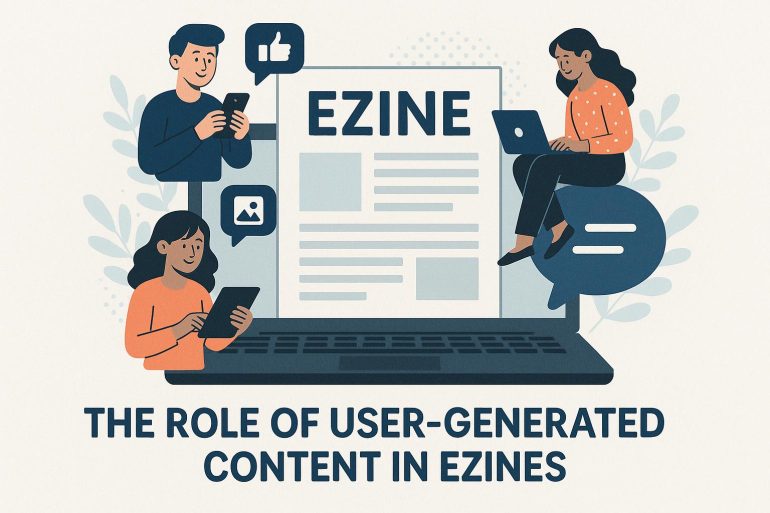
The Rise of User-Generated Content in Ezines
The digital landscape has been undergoing a significant transformation, particularly within the realm of online publications. One of the most noteworthy developments is the integration of user-generated content (UGC) in ezines. This shift has fundamentally changed how digital publications are envisaged, created, and consumed. The surge in incorporating such content stems from its capacity to engage readers actively while simultaneously providing diverse perspectives on various topics.
What is User-Generated Content?
User-generated content refers to any type of content—be it articles, reviews, images, comments, or social media posts—that is generated and shared by users of a platform rather than by the official content creators or publishers themselves. The advent of UGC introduces authentic voices and unique insights into ezines, which has the potential to enhance the overall value and appeal of these digital publications. As a result, user contributions offer fresh perspectives, making them appealing to a wide audience span.
Benefits of Incorporating UGC in Ezines
The integration of user-generated content into ezines presents numerous advantages:
Diversification of Content: Access to a broader array of perspectives and topics becomes possible when readers are encouraged to contribute. The variety offered by UGC not only attracts a more extensive audience but also enriches the publication’s content portfolio, making it more appealing and relevant to a diverse reader base.
Increased Engagement and Interaction: Readers exhibit a higher propensity to engage with content that they, themselves, have had a hand in creating. This elevated level of interaction is vital for building a community around the publication, fostering reader loyalty, and encouraging repeat engagement with the content provided.
Cost-Effectiveness: The incorporation of UGC can lead to substantial cost savings associated with the content creation process. Contributions from users serve to supplement editorial content, thus saving time and resources for editors and publishers who traditionally bear these tasks.
SEO and Reach Enhancement: The inclusion of UGC can significantly bolster search engine optimization efforts, using natural and varied keywords supplied by a broad user base. This strategic advantage can lead to an increase in the online visibility of the publication, potentially drawing more traffic and expanding its audience.
Challenges of User-Generated Content
Despite the impressive benefits, the implementation of UGC is accompanied by several challenges that require careful consideration:
Quality Control: Maintaining the desired standards of content quality is essential for any publication. Editorial teams often need to dedicate resources to content moderation and fact-checking processes to ensure that the information is accurate and credible.
Legal and Ethical Considerations: Issues surrounding intellectual property rights and data privacy frequently arise with UGC. Navigating these concerns necessitates the establishment of stringent guidelines and consent mechanisms to protect both the publication and its contributors.
Potential for Misinformation: Given the open and unrestricted nature of UGC, the risk of disseminating misinformation is a tangible concern. Instituting a robust and rigorous content vetting process is crucial for mitigating such risks and ensuring the integrity of the information presented.
Strategies for Effective Integration
To optimize the advantages presented by user-generated content, ezines should consider implementing strategic approaches:
Clear Guidelines and Policies: Setting well-defined submission guidelines is crucial for managing contributor expectations and ensuring that content aligns with the publication’s overarching goals and standards.
Engagement Incentives: Introducing recognition programs, rewards, or incentives can be highly effective in encouraging high-quality contributions. Doing so not only motivates potential contributors but also fosters ongoing participation from the readership.
Tech-Enabled Moderation: Leveraging technological tools for the moderation of content can dramatically improve the efficiency of the vetting process, enabling editorial teams to focus their efforts on strategic initiatives rather than content screening.
Conclusion
User-generated content represents a dynamic and powerful mechanism for ezines aiming to bolster engagement and diversify their content offerings. Although challenges do exist, they can be effectively managed with the implementation of the right strategies, allowing for substantial value to be derived by both readers and publishers. As the digital publishing landscape continues to advance and evolve, embracing user-generated content is likely to remain a pivotal element in the success of ezines, ensuring they remain relevant and engaging in a competitive digital world.