
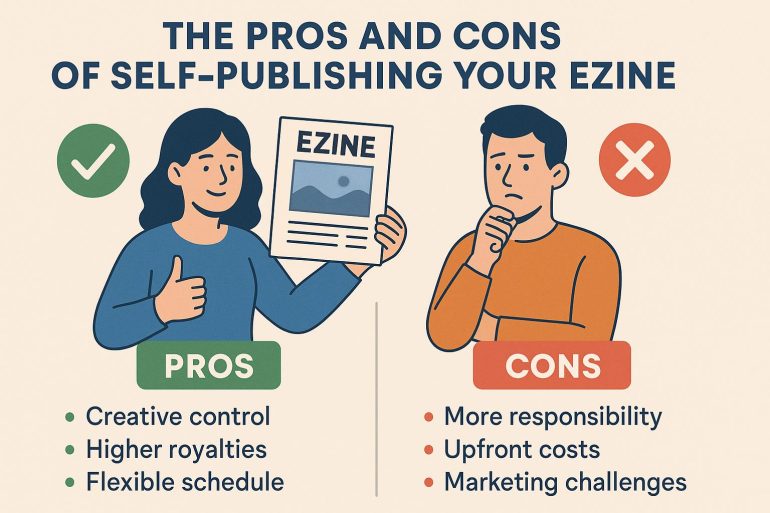
The Pros of Self-Publishing Your Ezine
Complete Creative Control
Publishing your ezine independently empowers you to maintain complete artistic authority and oversight. When it comes to self-publishing, you have the autonomy to dictate every aspect of your publication. You get to make all decisions pertaining to the design aesthetics, the overall format, and the specific type of content you wish to incorporate. Such flexibility is particularly advantageous if your goal is to carve out a distinct niche within the expansive realm of digital publishing. By opting for self-publishing, you free yourself from the confines of external guidelines and the constraints that traditional publishers might impose.
Beneath this comprehensive creative control lies the opportunity to build a brand that is uniquely your own. You are no longer tethered to traditional editorial restrictions that might otherwise dilute your vision. Instead, you can produce content that is tailored precisely to your audience’s preferences and your personal objectives. Furthermore, this autonomy allows you to experiment with bold ideas and unconventional narratives that might remain untapped in more restrictive environments. As a creator, having the ability to take creative risks can lead to innovative breakthroughs that set your ezine apart from the competition.
Higher Earnings Potential
A standout advantage of self-publishing your ezine is the financial benefit that follows. When you choose to self-publish, you are entitled to all the revenue that your ezine generates. This is in stark contrast to the traditional publishing models, where a substantial portion of the earnings is distributed to the publisher. In self-publishing, you are not beholden to such arrangements, enabling you to retain a higher percentage of your sales.
Moreover, self-publishing provides you with the latitude to experiment with varied pricing models. Options such as subscriptions, one-time purchases, or a mix of both allow you to discover what best appeals to your audience. This further optimization can help to enhance your revenue streams. With no obligatory cuts going to a third party, you are well-positioned to apply the financial gains toward enhancing the quality of your ezine or expanding its reach.
Additionally, having the freedom to set your own price points means you can respond flexibly to market demands. Should you find a sudden surge in interest for your ezine, you have the option to adjust pricing or offer promotions to attract even more readers. In essence, self-publishing introduces a fluidity in financial management that traditional methods might not easily afford.
Direct Audience Engagement
Self-publishing offers a unique opportunity for direct engagement with your audience, a critical factor in building an active community around your ezine. By sidestepping intermediaries, you foster a more personal connection with your readers. This direct interaction can substantially enhance reader loyalty, as your audience feels a closer bond to your content and the person behind it.
Managing your distribution lists grants you the ability to collect valuable feedback. This information is instrumental in shaping your content strategy and refining your marketing approaches. Understanding what resonates with your audience and what does not allows you to continuously improve your ezine, ensuring that it remains relevant and engaging.
Moreover, direct engagement fosters a sense of community and belonging. Readers who feel heard are more likely to become advocates for your ezine, sharing it with their networks and contributing to its organic growth. This grassroots promotion accelerates your publication’s reach and impact, creating a feedback loop that supports sustained success.
The Cons of Self-Publishing Your Ezine
Limited Market Reach
A significant drawback of opting for self-publishing is the challenge associated with reaching a broad audience. Traditional publishers typically have well-established distribution networks and dedicated marketing teams. These resources can significantly amplify the visibility and reach of your ezine. In contrast, a self-publisher is tasked with independently managing marketing and distribution efforts, a prospect that can be quite time-consuming and necessitate a steep learning curve.
The absence of these ready-made channels means you will need to invest substantial time in building your own distribution framework. Gaining exposure in a crowded market can be arduous, especially when competing against established names with existing reach. Success here often relies on creativity and persistence, requiring effective utilization of digital tools and platforms.
While daunting, this challenge of extending market reach is not insurmountable. Engagement in social media, collaborations with influencers, and forging strategic partnerships are some methods to explore. Expanding your network gradually helps bolster your presence in the digital publishing space, although it demands patience and strategic foresight.
Responsibility for All Aspects of Publishing
Choosing to self-publish inherently means assuming responsibility for all dimensions of the publishing process. This includes roles such as writer, editor, designer, marketer, and distributor, among others. Managing these multifaceted responsibilities can become overwhelming, particularly if you possess limited experience in any of these specific areas.
Finding a balance among these tasks is essential to maintain the quality and success of your ezine. As the responsibility bearer, understanding each role’s intricacies and how they interconnect is vital. This comprehensive oversight is demanding and might necessitate learning new skills or outsourcing specific tasks that lie outside your expertise.
However, managing a diverse array of publishing components can serve as an opportunity for growth. Each role provides a learning experience that enriches your skillset, equipping you with a more holistic view of the publishing industry. While challenging, mastering these areas propels you into becoming a versatile creator capable of producing high-quality content independently.
Potential Costs
While self-publishing allows you to bypass profit-sharing with publishers, the route is not devoid of upfront costs. Necessary expenditures might include professional editing fees, investments in design software or services, and marketing campaign costs. Together, these expenses can accumulate rapidly, particularly if you strive for a high-quality publication.
It is crucial to budget carefully and anticipate such costs to avert financial strain. Setting clear financial goals, identifying essential expenses, and distinguishing them from optional ones are key steps to ensure you remain on budget. Strategic planning and cost management can help maximize the impact of available resources when producing your ezine.
Through judicious investments, you have the opportunity to enhance the quality of your ezine and expand your audience. Allocating funds wisely enables you to attract professional talent, leverage effective marketing strategies, and ultimately cultivate a publication that resonates with readers. Despite the financial challenges presented, an emphasis on strategic resource allocation enables the production of a distinct and compelling ezine.
Conclusion
Self-publishing your ezine is a venture filled with various distinct advantages and inherent challenges. It offers remarkable creative freedom and the potential for enhanced financial returns. However, it also necessitates managing every aspect of publication and independently extending your audience reach. By meticulously weighing the pros and cons, you can determine if self-publishing aligns with your aspirations for digital publication. For those who seek more information on self-publishing, platforms such as Smashwords and Amazon Kindle Direct Publishing offer valuable resources and guidance for budding self-publishers.