
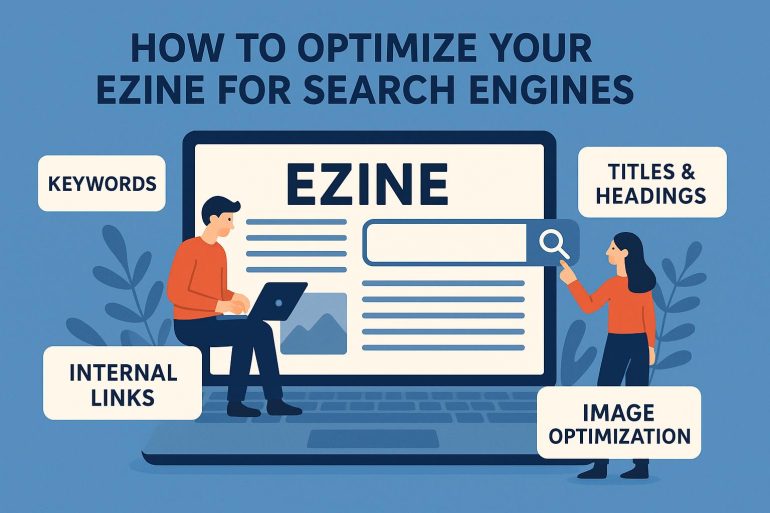
Understanding SEO for Ezines
Optimizing an ezine for search engines is vital for increasing visibility and reaching a broader audience. Although search engine optimization (SEO) for ezines shares similar principles with traditional websites, there are specific strategies tailored to digital publications. By focusing on these techniques, you can effectively enhance the search performance of your ezine.
Use Relevant Keywords
Incorporating relevant keywords into your ezine content is fundamental. Identifying words and phrases that your target audience is likely to search for is the first step in creating content that resonates with them. This involves an in-depth understanding of your audience’s needs, preferences, and the language they use when searching for information related to your ezine’s niche.
Utilizing tools like the Google Keyword Planner can provide insights into potential keywords, their search volume, and competition. However, identifying keywords is only part of the equation. You should strive to naturally integrate these terms into your content, ensuring they fit seamlessly within headings, subheadings, and body text without overstuffing them. Overusing keywords can lead to negative SEO consequences, such as penalties from search engines, as it might be perceived as an attempt to manipulate rankings.
Craft Compelling Meta Descriptions
Meta descriptions serve as a miniature sales pitch for your ezine’s articles in the search engine results pages (SERPs). Since they are the first interaction potential readers have with your content, their importance cannot be overstated. These short summaries should effectively encapsulate the essence of your article while incorporating primary keywords. However, care must be taken to avoid excessively lengthy descriptions, as search engines typically truncate snippets to fit the space available on the results pages.
Drafting a compelling summary requires a keen understanding of what convinces users to click through to your content. Including a call to action or a question can engage curiosity and improve click-through rates. Remember, though concise, your meta description should be informative and relevant.
Leverage Heading Tags Effectively
The proper use of HTML heading tags (
to
) plays an integral role in enhancing the structure and readability of your ezine content. These tags aid search engines in understanding the hierarchy and significance of your main topics and subtopics. By utilizing
for primary sections and
to
for sub-sections, your content will be logically organized and easily navigable, both for your human readers and search engine crawlers.
for primary sections and
to
for sub-sections, your content will be logically organized and easily navigable, both for your human readers and search engine crawlers.
for sub-sections, your content will be logically organized and easily navigable, both for your human readers and search engine crawlers.
Using heading tags effectively involves more than just inserting them into your content. It’s also about ensuring that each section header clearly represents the content it precedes, giving users and search engines accurate insights into what each section contains. This practice also improves accessibility, which is essential for inclusive content creation.
Optimize Images with Alt Text
Images add visual appeal to your ezine, making the content more engaging and reader-friendly. However, to leverage their full potential for SEO, images must be optimized with descriptive alt text that incorporates relevant keywords. Alt text serves as alternative information for users who may be visually impaired or for those using browsers that do not display images.
Besides improving accessibility, alt text helps search engines understand the context of your images, contributing to a more comprehensive content index. Images should also be appropriately compressed to reduce load times, which is essential for enhancing user experience. Faster load times generally result in lower bounce rates and higher engagement metrics.
Enhance Page Load Speed
Page load speed is a crucial element that affects both user satisfaction and SEO rankings. Slow-loading pages can lead to high bounce rates as users often abandon sites that take too long to display. Additionally, search engines take page speed into account when ranking pages, with faster sites generally receiving a ranking boost.
Improving your ezine’s load speed involves several strategies, such as minimizing file sizes, using efficient coding practices, and leveraging browser caching. Tools like Google PageSpeed Insights offer a great starting point by assessing your site’s performance and providing actionable recommendations for improvement.
Create Quality Backlinks
Creating and accumulating quality backlinks is essential for establishing the authority and credibility of your ezine. Backlinks, or inbound links from other reputable sites to your content, signal to search engines that your ezine is a trusted source of information. This, in turn, can enhance your search engine rankings.
To accumulate these valuable links, you can cultivate connections with reputable websites and request them to link back to your ezine. Sharing your expertise through guest blogging and providing insightful, high-quality content is another effective way to naturally attract backlinks. It’s important to ensure that the sites you collaborate with are relevant and credible, as links from low-quality sites can negatively impact SEO.
Encourage Social Sharing
Social signals are an indirect influence on search rankings, primarily due to increased content visibility they foster. Encouraging your readers to share your ezine across various social media platforms can lead to more users discovering your content, thereby expanding your reach and potential reader base.
Including social sharing buttons within your ezine makes sharing easier and more likely, acting as a gentle nudge for readers to spread your content. Engaging with your audience on these platforms is also beneficial, as it creates community, encourages discussion, and drives additional traffic to your content.
Keep Content Fresh
Maintaining a sense of freshness in your ezine is vital for staying relevant and engaging with your audience. Search engines favor websites that regularly publish new content, seeing them as active and evolving entities. Thus, a proactive approach to content updates can significantly enhance your SEO performance.
One strategy to ensure a continuous flow of content is incorporating a content calendar, which helps plan and manage the output of your ezine. Regularly updated content ensures that your ezine remains an authoritative source in its niche, providing value to both existing and new readers.
Monitor Performance and Adjust
Ongoing monitoring and adjustment are critical to the success of any SEO strategy. Regularly examining your ezine’s performance using tools such as Google Analytics will provide valuable insights into visitor behavior and highlight areas for improvement.
Key metrics to evaluate include organic traffic, bounce rates, and conversion rates. Understanding where users interact most with your content, or where drop-offs occur, will allow you to make informed decisions about necessary adjustments. Adapting your SEO strategy based on these insights can significantly enhance your ezine’s visibility and effectiveness in reaching its target audience.