
Understanding Reader Engagement in Ezines
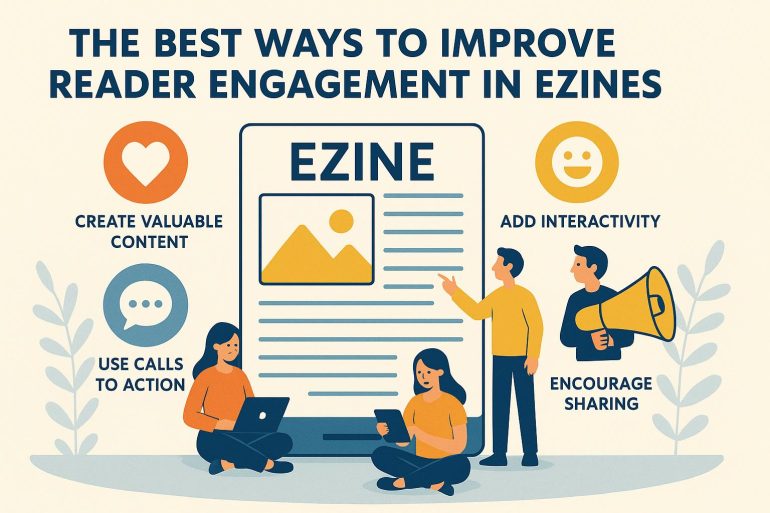
Reader engagement is a cornerstone of success for any electronic magazine, commonly known as an ezine. While traditional print magazines have had their ways of measuring reader engagement, ezines require different, often more advanced strategies to attract, retain, and convert occasional readers into loyal subscribers. Engaged readers contribute to a thriving community by sharing content, offering constructive feedback, and promoting the publication through word-of-mouth. This article delves into effective methodologies to enhance reader engagement in ezines by examining various pivotal aspects.
Content Quality and Relevance
The central pillar of reader engagement lies in the quality and relevance of content. High-quality articles ensure that readers not only consume the content but also find value and insight that aligns with their interests or informs their lifestyle. Below are ways to achieve this high standard:
Conduct Thorough Research: Understanding the audience’s interests is vital for producing relevant content. This involves researching what topics captivate your target demographic, which can be achieved by analyzing trends and preferences across similar platforms or feedback and survey data.
Stay Updated With Current Trends: Remaining informed about current events and trends within your niche ensures that your content is both timely and relevant. Producing content that reflects the current state or the evolving interests of your target audience helps maintain engagement.
Ensure Factual and Structured Content: The reliability of content is paramount. This calls for well-researched, factual, and systematically structured articles that enhance readability and informatively benefit the audience.
Interactive Elements
Implementing interactive elements within ezines can significantly elevate reader engagement by transforming passive consumption into an active, participatory experience. Such elements could foster an engaging and memorable interaction:
Polls and Surveys: These tools are excellent for gathering reader insights and opinions on various matters, allowing for interactive participation. They also serve as a means for readers to feel their feedback contributes to the content’s evolution.
Quizzes and Contests: Such activities are designed to engage readers by providing them the opportunity to test their knowledge or win rewards. This encourages repeated interaction and enhances the reader’s experience.
Interactive Infographics: Infographics that invite reader interaction, whether through mouseovers or clickable areas that reveal additional information, can make complex data easily digestible and visually engaging.
Personalization
The power of personalization in ezine content cannot be overemphasized. By tailoring content to suit individual reader preferences, ezines create a sense of individual importance and understanding. Here’s how personalization can be effectively implemented:
Audience Segmentation: Divide your readership according to interests, behavior, and engagement levels, allowing for a customized approach to content, ensuring that readers receive information most pertinent to their interests.
Personalized Email Recommendations: Leveraging data from reader habits and preferences enables the creation of personalized content recommendations, which can be directly communicated to the reader through email, fostering a deeper connection.
Use of Personalized Greetings: Simple personalization tactics, such as using a reader’s name in emails or greetings, contribute significantly to engagement by adding a personal touch to the communication.
Consistent and Timely Publishing
A consistent publishing schedule not only establishes reliability but also influences the trust and anticipation amongst readers regarding new content releases. However, consistency also needs to be paired with timeliness to maximize engagement. Here’s how:
Create an Editorial Calendar: Developing a schedule for when content will be published helps to maintain steady production, allowing readers to know when to expect new material. This also aids authors in planning and organizing content development.
Plan Around Relevant Events: Aligning content with forthcoming events or anniversaries acutely related to your audience allows for planned content that resonates more deeply with reader interests.
Responsive Content Creation: Quickly pivot to produce content that addresses current events or emerging trends. Identifying opportunities to discuss timely issues signifies to readers the publication’s responsiveness and relevance.
Engaging Visuals
The use of exceptional visual content is crucial in enhancing the aesthetic appeal and overall readability of an ezine. Visually appealing content aids in retaining reader interest and improving overall engagement:
High-Resolution Images: Incorporating relevant, high-quality images significantly increases the chances of capturing reader attention and enhances the overall presentation of articles within the ezine.
Graphs and Charts: Employing visual aids such as charts and graphs transforms data into an easily interpretable format, providing readers with insights at a glance and enhancing comprehension.
Videos and Animations: Integrating dynamic video content and animations creates a varied content mix that can cater to different reader preferences, enhancing the reader’s experience through multimedia elements.
User-Friendly Design
An intuitive and aesthetically pleasing design enhances the reading experience by ensuring content accessibility and ease of navigation. Key design principles include:
Mobile-Friendly Design: With increasing mobile readership, ensuring that the ezine is optimized for mobile devices is crucial for accessibility and convenience.
Logical Organization: Employ headings and subheadings to break text into manageable sections, making content easier to digest and locate.
Intuitive Navigation Menus: A straightforward and accessible navigation menu allows readers to effortlessly explore different sections of the ezine, fostering a seamless reading experience.
Encouraging Reader Feedback
Soliciting reader feedback is essential not only for content improvement but also for fostering a sense of community and dialogue between the publication and its readers. Strategies to encourage this include:
Invite Comments on Articles: Directly requesting readers to share their thoughts and perspectives not only drives engagement but offers insight into reader preferences and thoughts.
Include Calls-to-Action: Embedding calls-to-action within articles encourages readers to express their opinions, ask questions, or engage in related discussions, fostering interaction.
Provide Contact Options: Maintain open channels for direct feedback, enabling personalized communication and suggestions, enhancing the reader’s influence on the content outcome and future directions.
These strategies, when effectively implemented, can vastly enhance reader engagement in ezines. By concentrating on quality creation, interactive involvement, and pertinent responses to readers, ezines can foster a devoted, involved readership base. For those seeking further enhancements to their ezine’s impact, resources like the Content Marketing Institute and organizations like Moz provide valuable insights and best practices.